ByNandana Priya
Tue , Nov 24 , 2026
Read Time: 5 Min

Hot summers followed by a monsoon. That is the rhythm a Hyderabad home lives with every year. And while we often consider the weather when choosing paint, furniture, or curtains, tiles deserve the same attention.
Hyderabad's weather has a way of making certain details matter more. Outdoor floors can become quite hot under direct sunlight during summer. Once the monsoon arrives, rainwater and wet surfaces bring a different set of concerns. Even indoors, moisture, ventilation, and everyday cleaning are worth looking at.
By the end of the blog, we will have answers to how the city's weather can influence your choice of materials and finishes and what could possibly be the best tiles for Hyderabad homes.
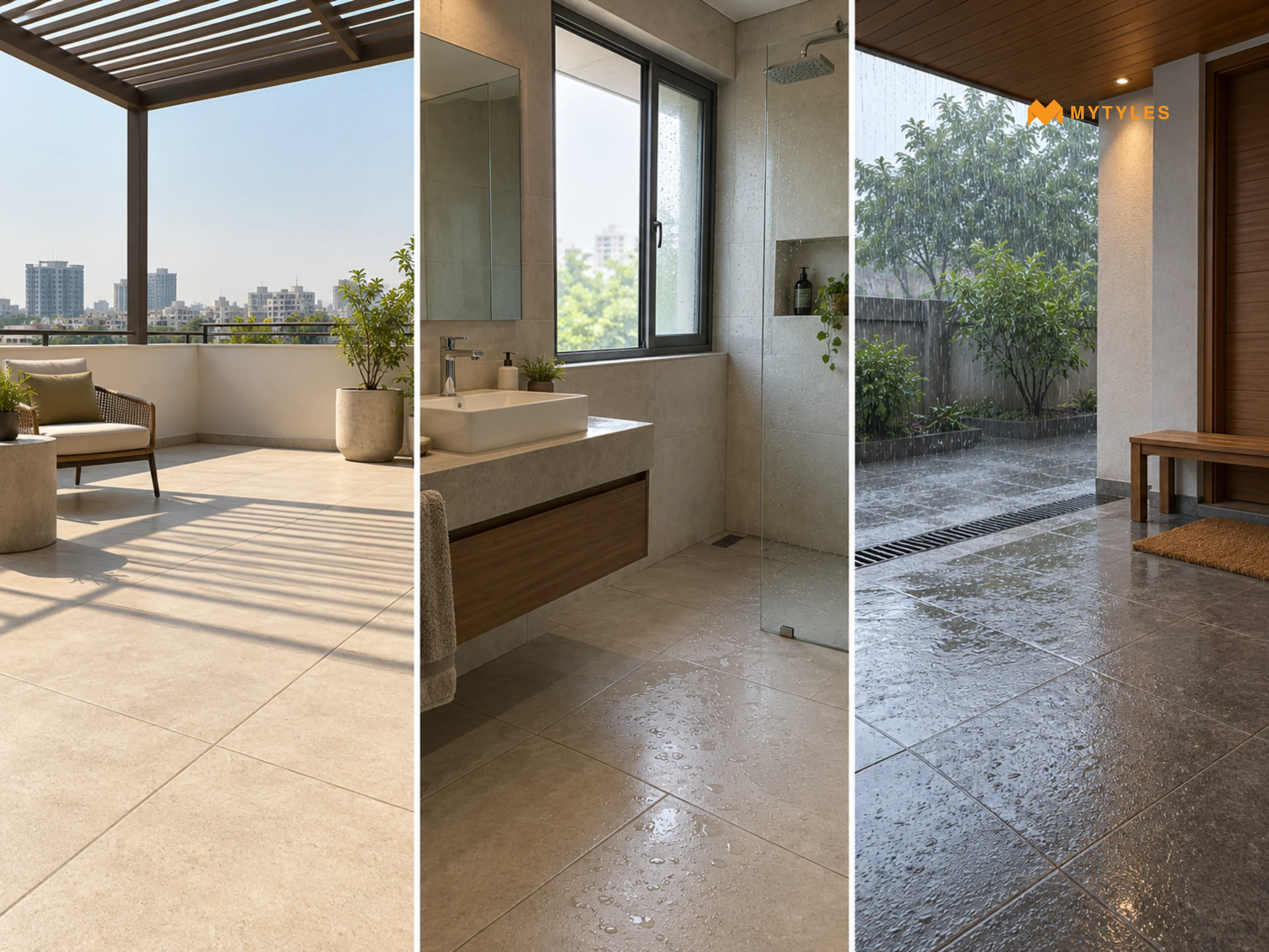
The weather outside is one thing. How it affects a tiled surface is another. Surface temperature, water absorption, and grip are three things worth understanding before choosing tiles for Hyderabad weather.
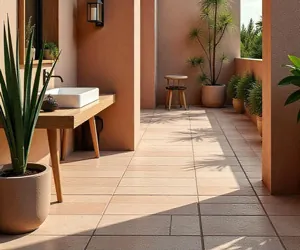
Have you noticed how some outdoor floors become too hot to walk barefoot by afternoon? Direct sunlight can make a noticeable difference to outdoor flooring. A dark tile may absorb more heat than a light-coloured one, although the material and surface also matter.
This is why cool floor tiles for summer are worth exploring for open terraces and other sun-exposed spaces. However, colour alone cannot determine how cool a floor will remain.
Moisture doesn't necessarily cause an immediate problem. Sometimes, it is the dampness that stays around. This can especially be found in spaces where air circulation is limited.
Tile water absorption becomes relevant here. The actual water absorption percentage varies by product and needs to be checked before selecting tiles for water-prone areas.
The installation of tiles also needs to be considered. In wet areas, appropriate waterproofing and ventilation are important because tiles and grout alone cannot prevent moisture from reaching the underlying surface.
A floor can look perfectly suitable when dry and behave quite differently once water reaches it. This is particularly important for entrances, balconies, and other areas exposed to rain.
When choosing anti-skid tiles for monsoon conditions, don't rely on a rough-looking texture or matt finish alone. Look for verified slip-resistance information and check whether the tile is recommended for wet outdoor use.
The way water leaves the floor matters too. When there is no adequate slope and drainage, water may collect on the surface regardless of which tiles have been installed.
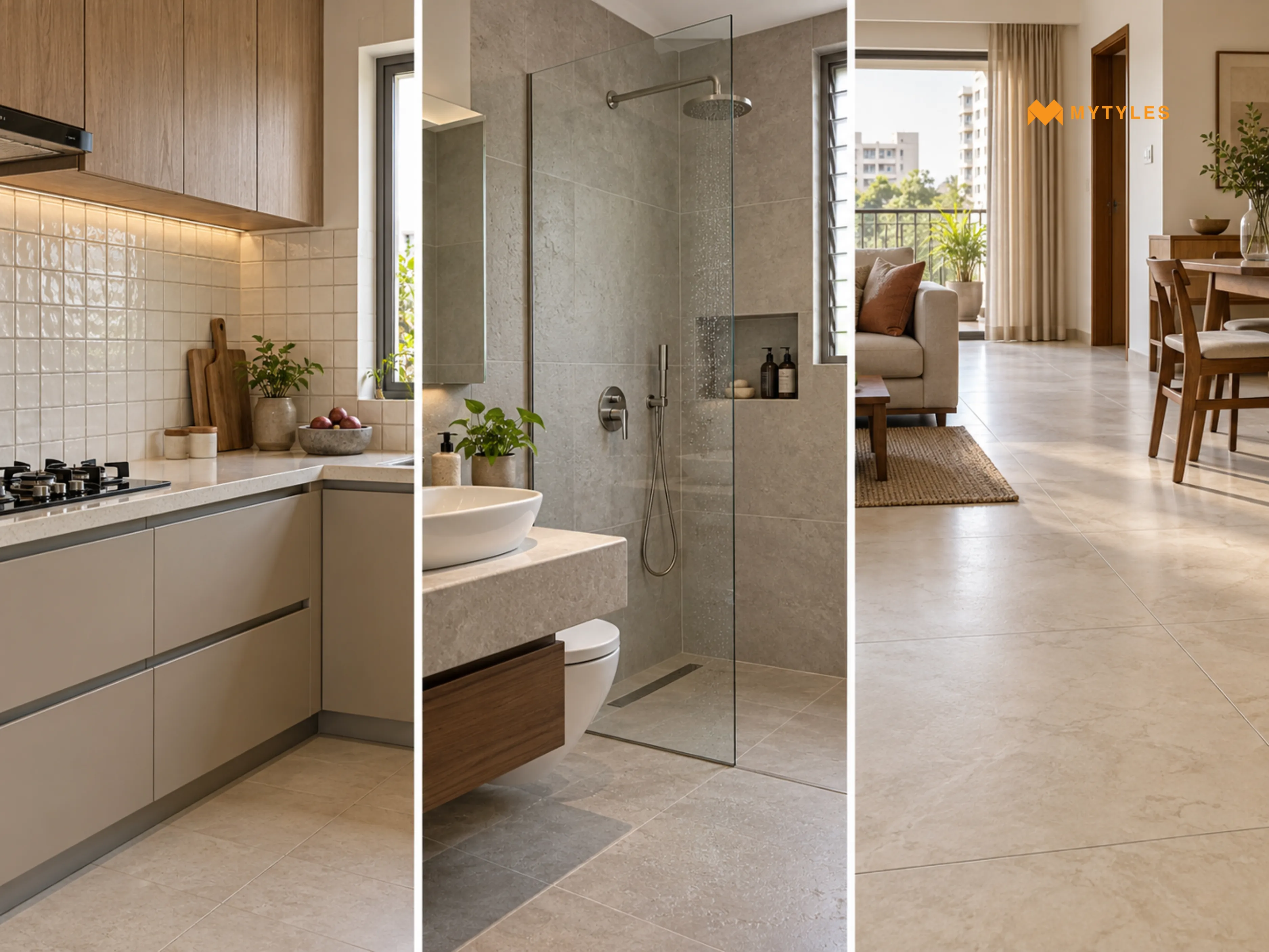
Ceramic, porcelain or vitrified? These are three names you're likely to come across when shopping for tiles. And although they may look similar once installed, there are differences worth knowing.
The material tells us something about a tile's properties, but it doesn't tell us everything. Where the tile will be used, how often the floor gets wet, and the product specifications also matter.
Ceramic tiles have mostly been seen used on walls. But what about floors? Ceramic tiles aren't limited to walls. Some are manufactured for flooring too, although a wall tile shouldn't be used on the floor unless the manufacturer specifies that it is suitable.
For a Hyderabad home, ceramic tiles may be an option for kitchen walls, bathroom walls, and indoor floors. The important part is checking whether the particular tile is made for that use. In bathrooms, its water absorption percentage is also worth looking at.
Porcelain tiles are made from a mixture of refined clay, feldspar, silica (usually in the form of quartz), and other mineral ingredients. The exact composition varies by manufacturer.
They have very low water absorption. This can typically be 0.5% or less under commonly used classification standards. However, being porcelain doesn't automatically make a tile suitable for every application.
So, along with the material, check the porcelain tile finish, slip-resistance information where relevant, and the manufacturer's recommended use.
Vitrified tiles are another option you'll come across when looking for floor or wall installation. The tiles have a dense structure and low water absorption percentage.
There are also different types of vitrified tiles to explore. Glazed vitrified tiles have a layer of glaze on the surface, which can carry different colours, patterns, and designs. Double-charged vitrified tiles have a different surface construction. The two shouldn't be treated as interchangeable without checking their specifications.
When choosing vitrified tiles for your Hyderabad home, look at how the space will be used. Check the tile's recommended application, surface finish, and relevant wear-resistance specifications before making your choice.
Hyderabad has its own climate differences. But choosing a tile with the same characteristics wouldn't work for every space. Even within the same home, the amount of sunlight, moisture, and rain exposure can vary.
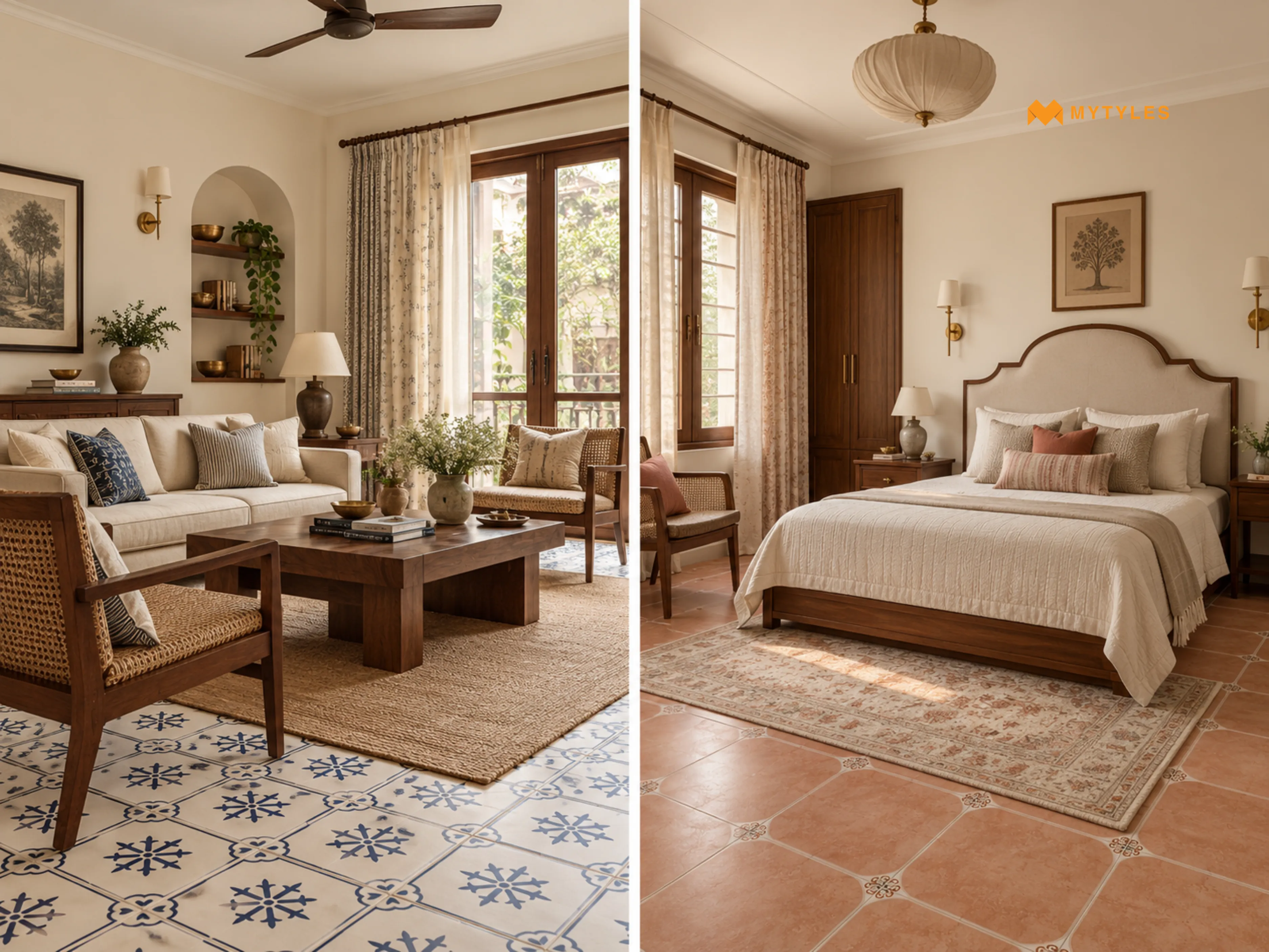
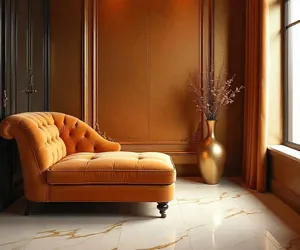
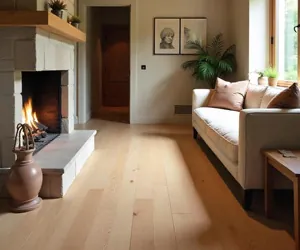
A living room floor gets used throughout the day, and that matters when selecting tiles. In a busy home, wear resistance and cleaning requirements deserve attention alongside the design. The tile's surface finish and suitability for floor use matter here.
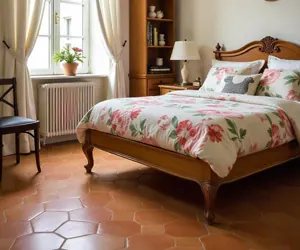
Bedrooms may see less movement. The flooring still needs to be practical. Check the relevant surface and technical details before choosing one.
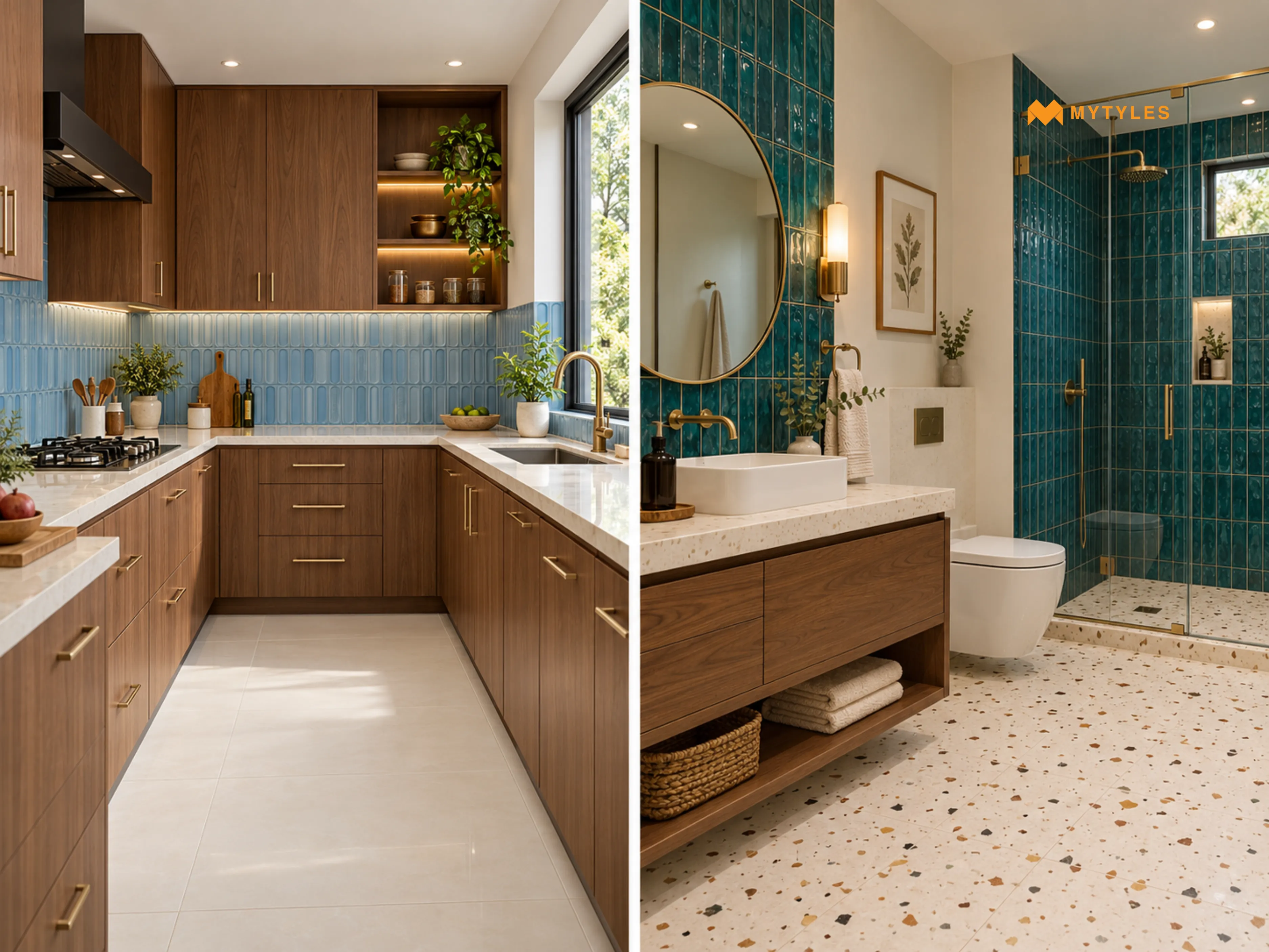
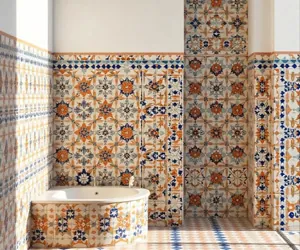
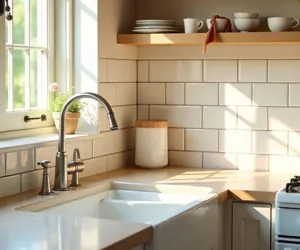
Kitchen floors have to deal with spills, while bathroom floors often get wet during daily use. So, apart from the design, it's worth looking at the tile's cleaning requirements and whether it offers suitable grip when wet.
For these spaces, start by checking whether the tile is intended for wall or floor use. For bathroom flooring, look at verified wet-surface slip-resistance information. Water absorption, cleaning requirements, and grout selection are also worth checking. And remember, tiles and grout don't replace the waterproofing required beneath wet-area surfaces.
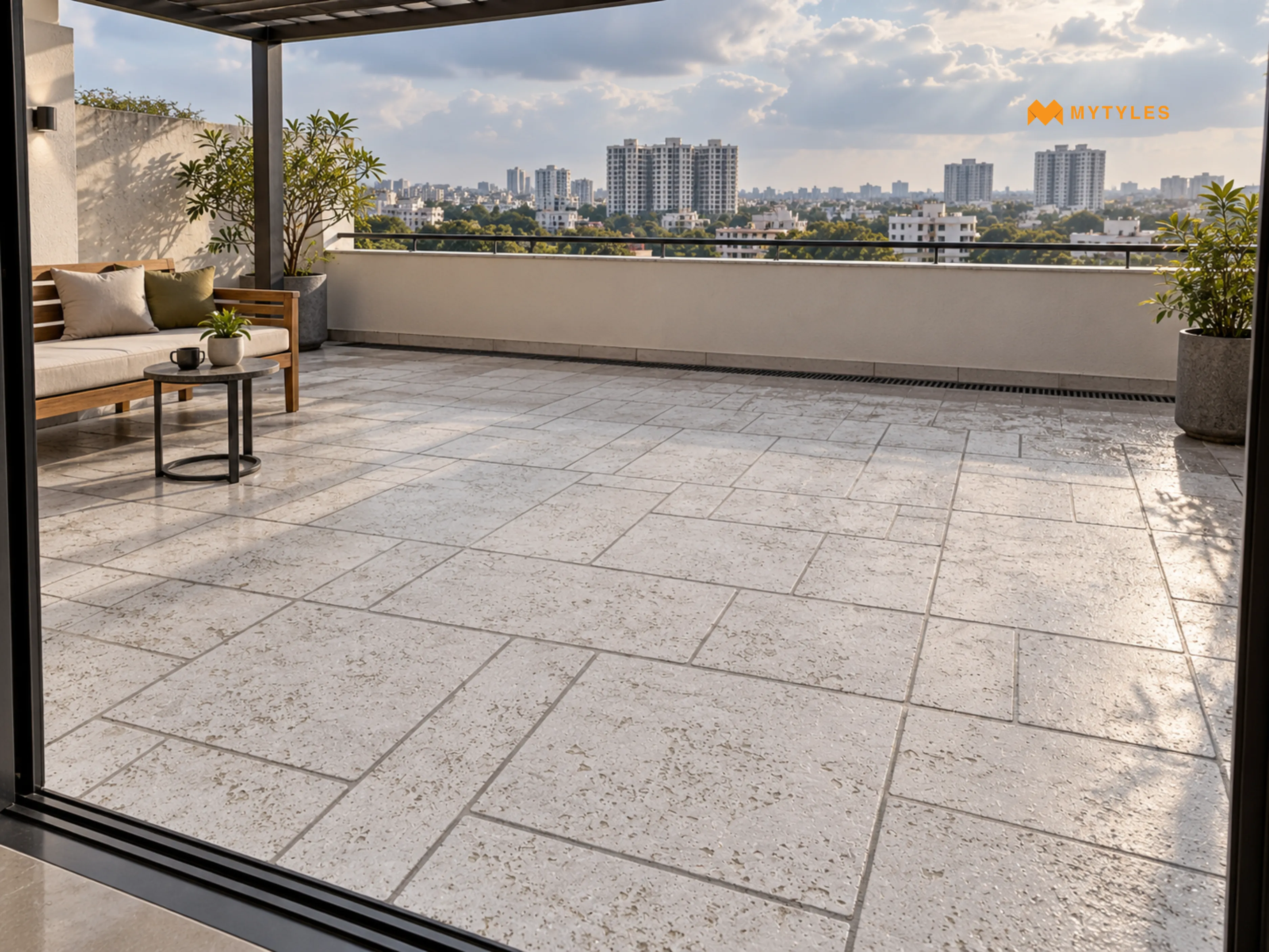
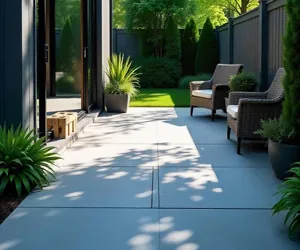
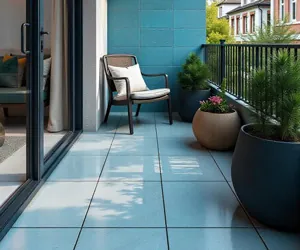
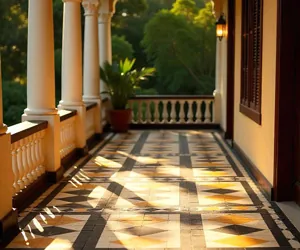
Outdoor tiles have more to deal with than indoor ones. Direct sunlight, rainwater, and changes in surface temperature can all affect the conditions in which they are used. For an open balcony or terrace, check whether the manufacturer recommends the tile for outdoor installation. Its wet-surface slip resistance is particularly important in areas exposed to rain.
You may find matt-finish tiles and textured floor tiles among outdoor flooring options. However, neither finish automatically confirms adequate grip. The installation also needs appropriate slope and drainage to prevent water from collecting on the surface.
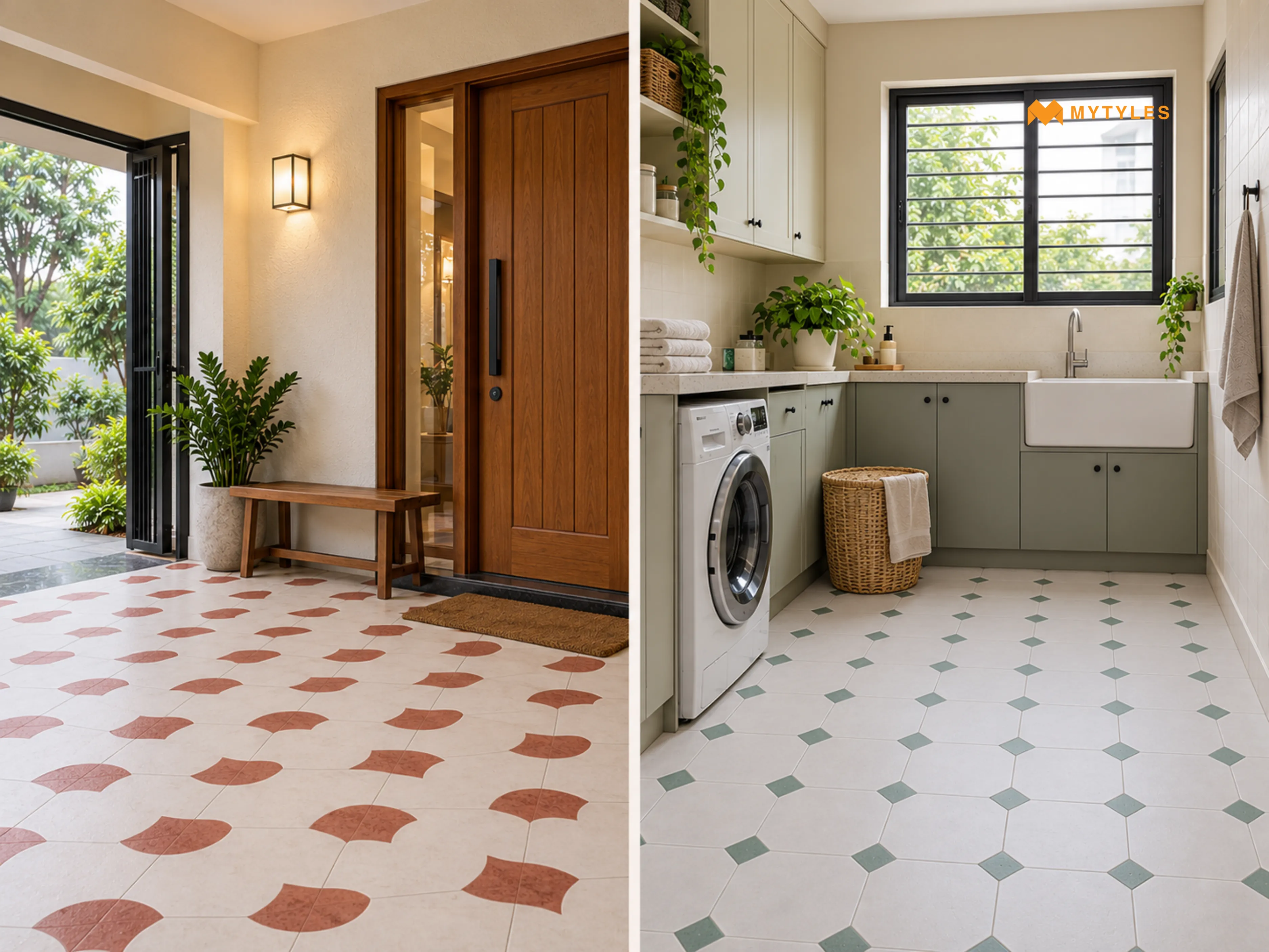
Think about what comes through the entrance during the monsoon. For entrance flooring, consider the tile's intended use, wet-surface grip and cleaning requirements.
Utility areas may have washing machines, cleaning products, and frequent water spills. Here, it helps to look for a floor-rated tile that suits the expected moisture exposure and is practical to maintain. The grout and drainage arrangement also deserve attention, especially where water is used regularly.
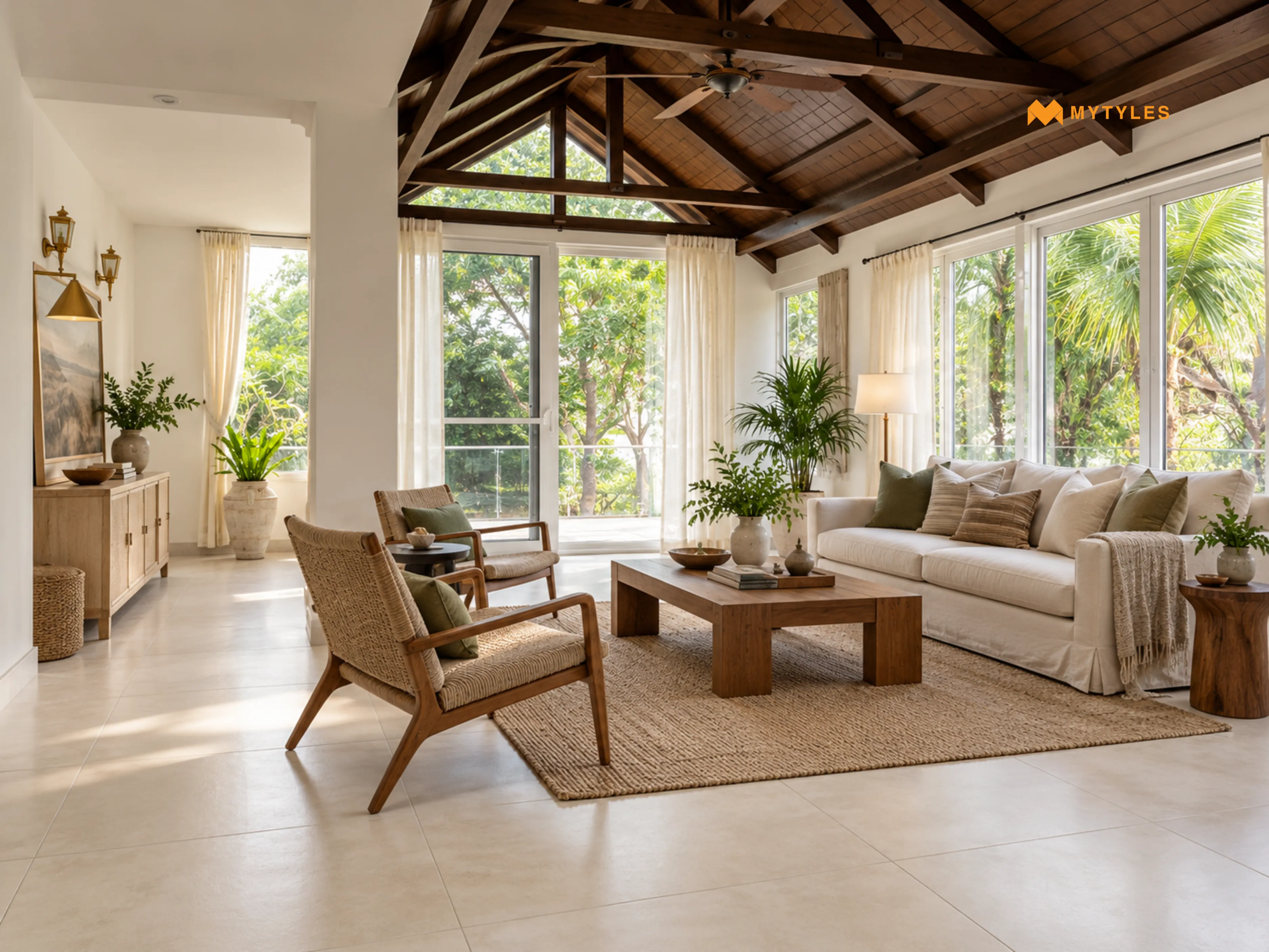
We often spend time deciding whether a tile colour matches the walls, furniture, or the overall look of a space. But for areas exposed to sun, there's another thing to think about: how much heat the surface absorbs.
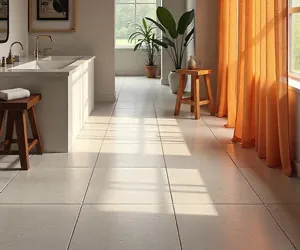
Light-coloured tiles reflect heat generally more than darker ones. This is why shades such as cream, beige, ivory, and light grey are worth exploring for open terraces and balconies.
However, colour alone cannot determine how hot a tile will become. Its surface properties, the amount of direct sunlight it receives, and the surrounding shade also play a role. Even a light-coloured floor can become hot after hours of sun exposure.
It's easy to spend hours deciding between two tile designs and forget to ask whether either one works for the space. Hyderabad's summers and monsoons make that question worth asking, especially when you're choosing tiles for areas exposed to the weather. You can browse the MyTyles website to see what colours, materials, and finishes are available. The tiles can also be seen in person at the Experience Centre. The idea here is to find something you like without overlooking the practical details.
For Indian summers, the choice depends on where the tiles will be installed and how much sunlight the area receives. Light-coloured tiles reflect heat generally more than darker ones, making them worth considering for sun-exposed spaces. However, colour alone cannot determine surface temperature. When exploring cool floor tiles for summer, check the tile's intended application and relevant specifications before choosing.
Low water absorption tiles, such as suitable porcelain and vitrified products, are worth considering for moisture-prone spaces. However, the material alone doesn't determine suitability for humid conditions. Check the individual product's water absorption percentage, intended application, and installation requirements. Proper ventilation and waterproofing are also important where moisture is likely to accumulate.
Floor tiles may feel cool to the touch, but that doesn't necessarily mean they lower the temperature inside a house. The indoor temperature depends on sunlight, ventilation, insulation, and surrounding surfaces. Although thermal comfort flooring is worth considering when planning a home, the tile's material and surface properties alone cannot guarantee a cooler indoor environment.
The best flooring for a hot and humid climate depends on the conditions in each room. Ceramic, porcelain, and vitrified tiles are possible options when suitable for the intended application. For moisture-prone areas, check water absorption and cleaning requirements. Where floors are exposed to rain or spills, verified slip-performance information is also important.
When choosing tiles for Hyderabad's weather, look for products specifically recommended for outdoor installation. Open balconies and terraces may experience strong sunlight and monsoon rain. Matt finish tiles are among the available options, but the finish alone doesn't confirm slip resistance. Check the selected product's wet-surface slip-performance information and ensure that appropriate slope and drainage are planned.
Both porcelain tiles and vitrified tiles can be considered for Hyderabad homes, depending on the intended application. They generally have dense bodies and low water absorption, but their specifications vary across products. Double-charged vitrified tiles are another type worth comparing. Their construction alone doesn't establish suitability, so check the recommended application and relevant performance specifications before choosing.
When choosing monsoon-friendly tiles for bathroom floors, check whether the product is intended for wet-area flooring and review its verified slip-performance information. Anti-skid tiles for monsoon conditions should not be selected based on texture alone. Appropriate waterproofing, drainage, and ventilation are also important because tiles and grout do not independently waterproof a bathroom.
Aditi Bardhan
₹75.00 / Sq.Ft
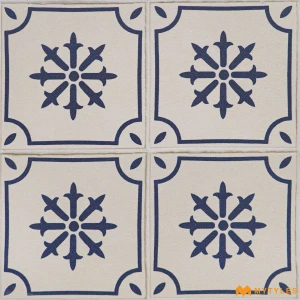
₹148.00 / Sq.Ft
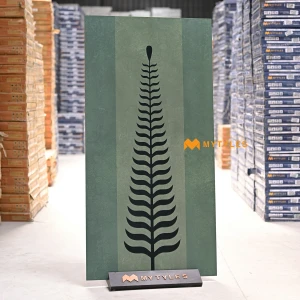
₹125.00 / Sq.Ft
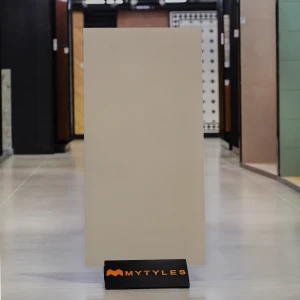
₹95.00 / Sq.Ft
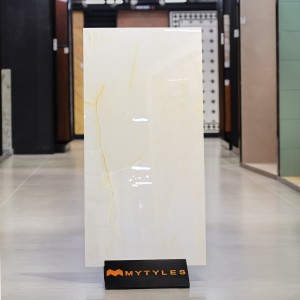
₹79.00 / Sq.Ft
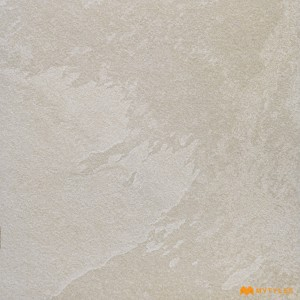
₹95.00 / Sq.Ft
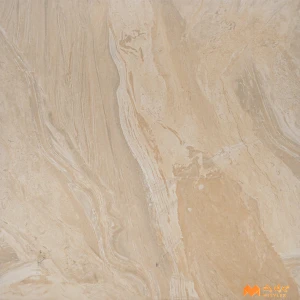
₹64.00 / Sq.Ft
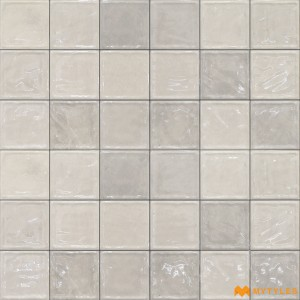
₹94.00 / Sq.Ft
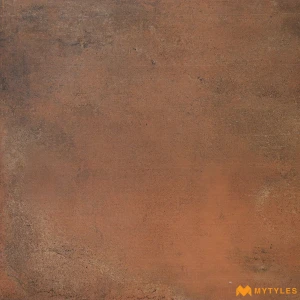
₹102.00 / Sq.Ft
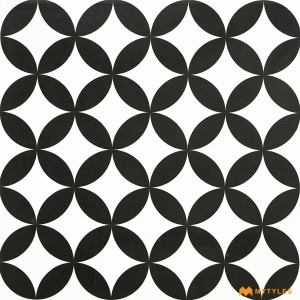
₹104.00 / Sq.Ft
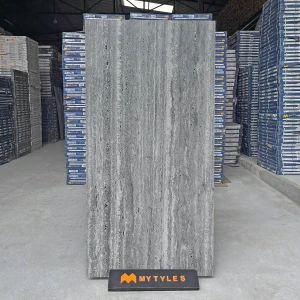
₹98.00 / Sq.Ft
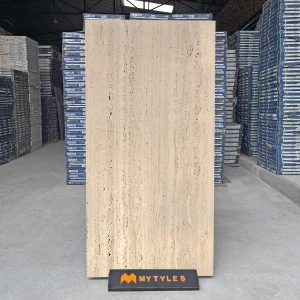
₹98.00 / Sq.Ft
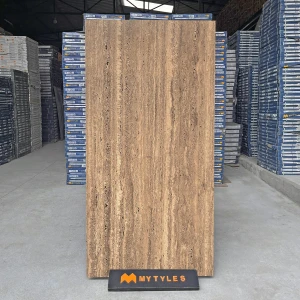
₹98.00 / Sq.Ft
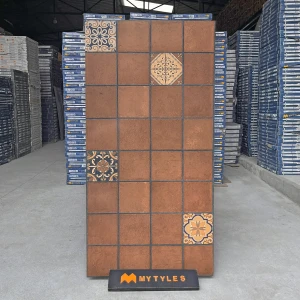
₹125.00 / Sq.Ft
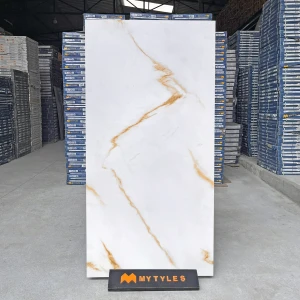
₹98.00 / Sq.Ft
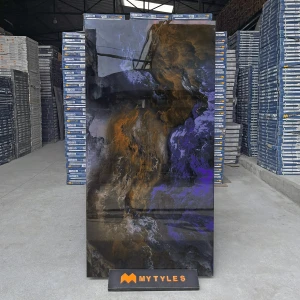
₹105.00 / Sq.Ft
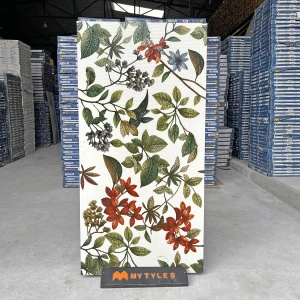
₹125.00 / Sq.Ft
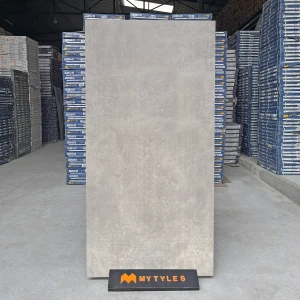
₹95.00 / Sq.Ft
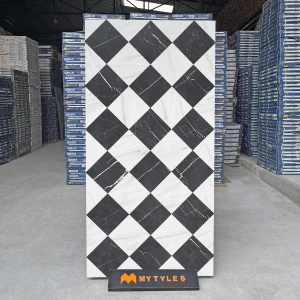
₹140.00 / Sq.Ft
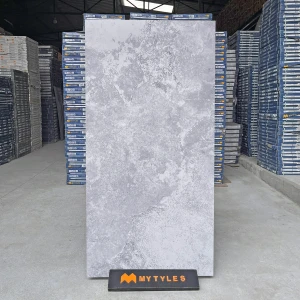
₹120.00 / Sq.Ft
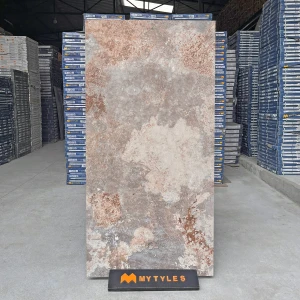
₹120.00 / Sq.Ft
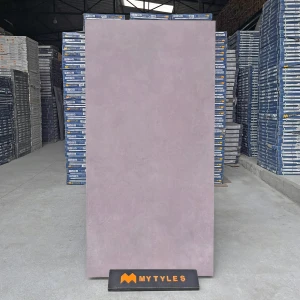
₹110.00 / Sq.Ft
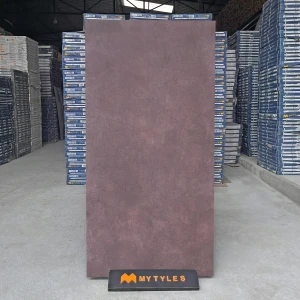
₹110.00 / Sq.Ft
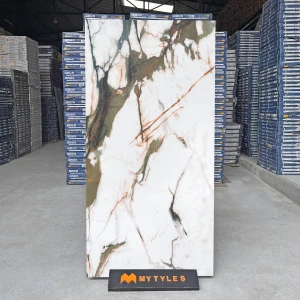
₹120.00 / Sq.Ft
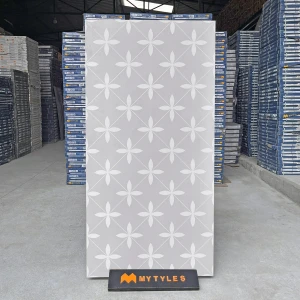
₹140.00 / Sq.Ft
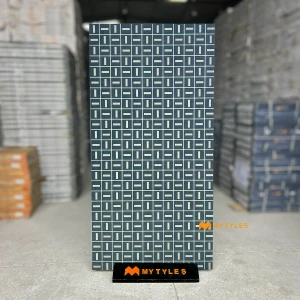
₹160.00 / Sq.Ft
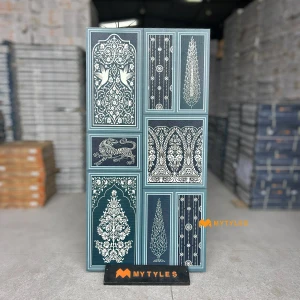
₹160.00 / Sq.Ft
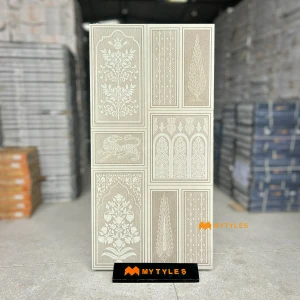
₹160.00 / Sq.Ft
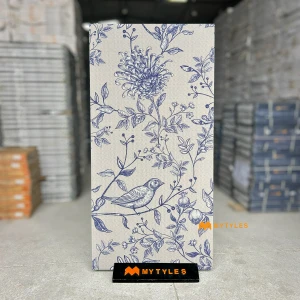
₹160.00 / Sq.Ft
₹160.00 / Sq.Ft
₹160.00 / Sq.Ft
₹160.00 / Sq.Ft
₹125.00 / Sq.Ft
₹125.00 / Sq.Ft
₹120.00 / Sq.Ft