Inspiration Gallery
Blog
Tile Calculator
08065423741



.svg)


Tile Drenching: The Bathroom Trend That Goes Beyond Walls and Floors
ByHeena Dhiman

Mon , Nov 16 , 2026

Read Time: 5 Min


 Copied!
Interior designer Erin Williamson rightly points out, “From an aesthetic perspective, simplifying materials unifies a space.”
And this idea makes sense when we look at how bathrooms are usually designed.
Most bathrooms have different tiles for the floor, walls, and shower area. We often spend time deciding which colours and patterns will look good together. But what if we didn't have to introduce a different design for every surface?
That's where tile drenching comes in.
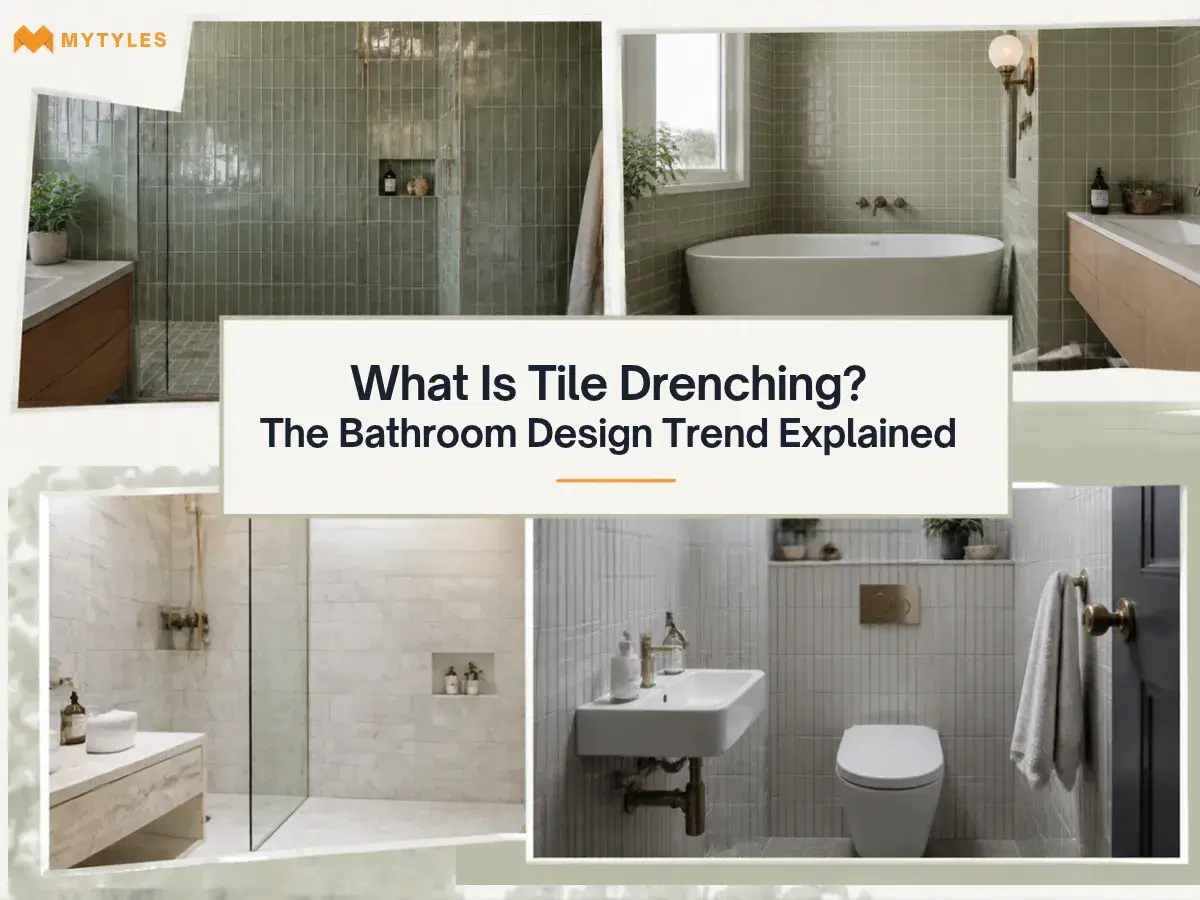
Here, the tiles don't stop at the usual boundaries between the floor and walls. A design used on the floor might continue up the walls, around the bathtub, or even onto the ceiling, depending on how the bathroom is planned.
Well, it might seem like a lot of tiles for one room. But seeing how these surfaces can work together is what makes this trend worth exploring.
What Is Tile Drenching, and How Is It Different From Colour Drenching?
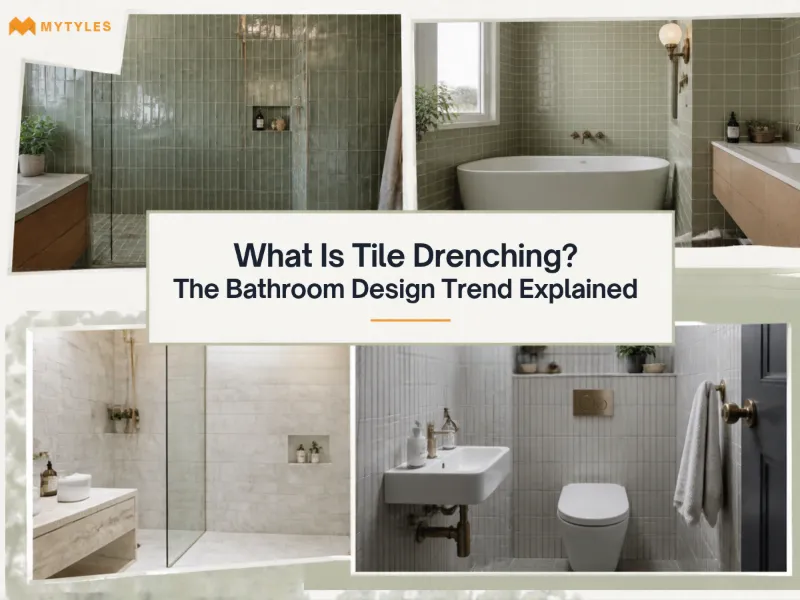
Tile drenching is a way of designing a bathroom where the tiles don't change from one surface to another. For example, you might use the same tiles on bathroom walls and floors rather than choosing two different designs. You could also carry that design around the bathtub or behind the vanity.
However, using the same tile in different areas is only possible when it's suitable for each surface.
You may have also come across the term colour drenching. Although the two ideas sound similar, there is a difference in how they are used.
Tile Drenching vs Colour Drenching
Tile Drenching | Colour Drenching |
| Uses the same or coordinated tiles across multiple surfaces. | Uses the same colour or closely related shades across different surfaces. |
| Focuses on tile design, material, and layout. | Focuses mainly on colour, which may extend across walls, ceilings, doors, and furniture. |
| Can involve different tile finishes within one colour scheme. | Can involve paint, tiles, fabrics, and other materials in similar colours. |
You can also bring both ideas into one bathroom. Think of green tiles covering the walls and floor, with the non-tiled surfaces painted in a similar shade of green. This is one example of combining colour drenching with tiles.
So, tile drenching isn't about covering every available surface just for the sake of it. What matters is how the tiles continue from one part of the room to another. That's what gives the bathroom a continuous tile design.
Now that we've covered the tile drenching meaning and how it differs from colour drenching, what is making this approach so popular in modern homes?
Why Are Modern Homes Embracing Tile Drenching?
There’s a reason why the tile drenching trend has interior designers swooning. Seeing the same tile design continue from the bathroom floor to the walls and even around the bathtub has a certain appeal. Instead of looking at each surface separately, your eyes follow one connected design across the room.
But is that the only reason this trend is gaining attention? Not quite.
Following are other compelling reasons that make it worth considering:
- Fewer visual breaks: With similar tiles running across the bathroom, the floor and walls don't appear as separate sections. Your eyes can follow the design without too many changes in colour or pattern.
- More room to experiment: Sticking to one colour doesn't mean every tile has to look identical. You still have room to try different shapes, finishes, or laying patterns.
- A different take on small bathrooms: In a compact bathroom, too many contrasting designs can make the space look busy. Using similar tiles across surfaces may help the room feel more connected, although the lighting and layout also play a part.
- The tiles become the main feature: With the design continuing across multiple surfaces, details such as veining, colour variations, and texture become easier to notice.
And perhaps the interesting part is that tile drenching doesn’t have to look the same in every bathroom. The tiles you select and the way you arrange them can give the design a very different appearance.
Tile Materials to Consider for Tile Drenching
The idea of covering several bathroom surfaces with tiles might make you wonder whether you need a particular type of tile to achieve this look. Well, not necessarily. Tile drenching can be done with different tile materials.
Yet, the important thing is to check where each tile can be used, especially if you're planning to carry the same design from the walls onto the floor.
Understanding the Material Options
Here are three commonly considered materials for bathroom wall and floor tiles.
Tile Material | How it Can Be Used for Tile Drenching |
| Ceramic Tiles | Commonly used on bathroom walls. They can be paired with similar coloured floor tiles to maintain a coordinated design. |
| Porcelain Tiles | Available in different sizes and finishes. Suitable porcelain bathroom tiles can be used across walls and floors to continue the same design. |
| Vitrified Tiles | Available in a variety of patterns and larger formats. Suitable products can extend a similar appearance across different bathroom surfaces. |
Choosing a Design That Can Continue Across Surfaces
The material is one part of the decision, but how the tiles look matters too.
Take marble-look tiles, for example. Their veining can continue from the floor onto the walls, giving both surfaces a similar appearance. Stone-look tiles offer another direction, especially if you prefer colours and patterns that resemble natural stone.
You could also keep things simple with solid colour tiles. For a little more surface detail, textured or Zellige-style tiles are worth considering, particularly on bathroom walls.
Remember that a matching design doesn't mean every tile is suitable for every surface. The product specifications still need to be checked, especially for bathroom floors and wet areas.
Five Ways to Explore Tile Drenching in Your Bathroom
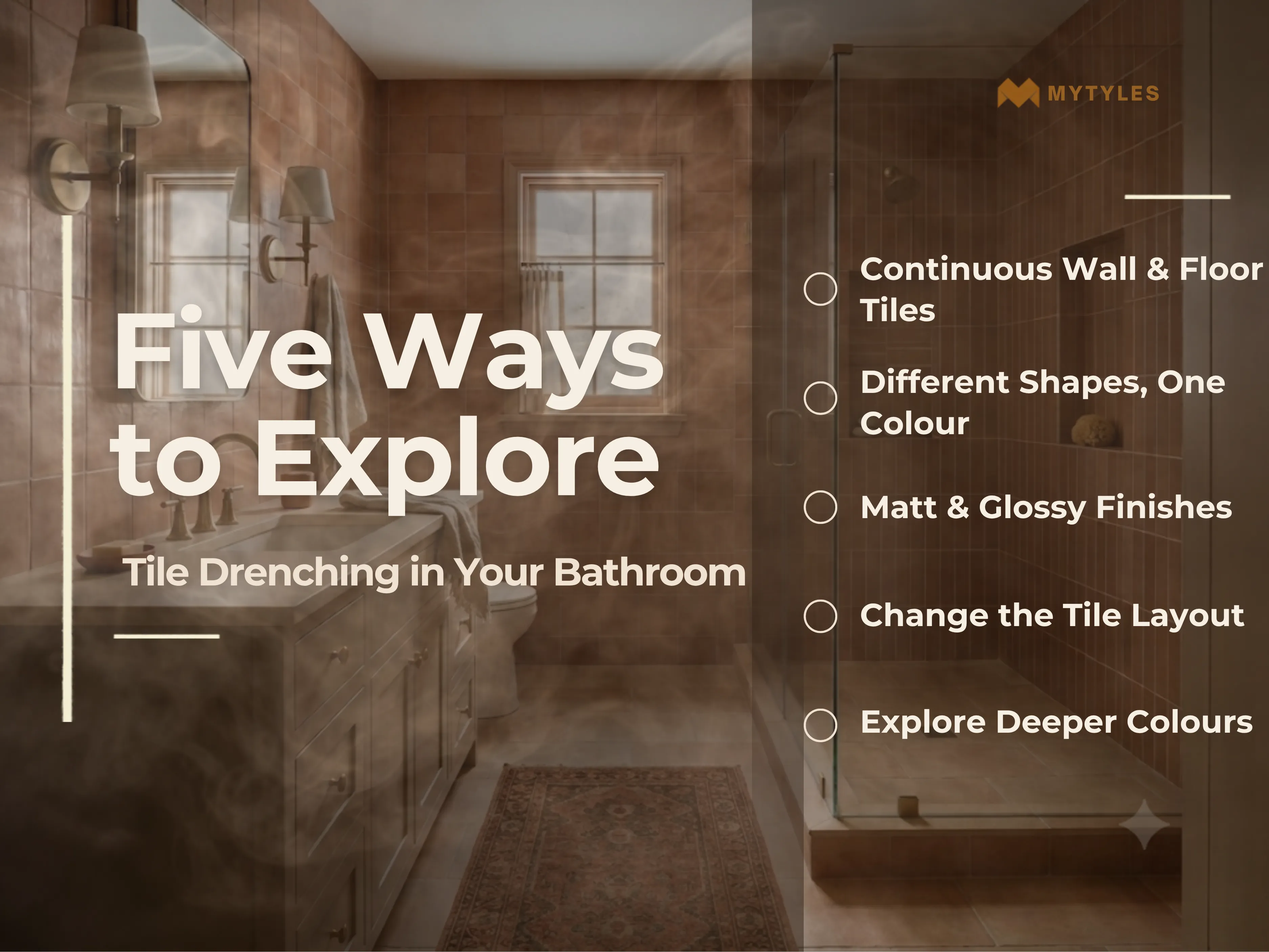
Now that we know which tile materials can be considered, let's look at how they can be used in a bathroom. There isn't just one way to approach tile drenching ideas. Depending on the colour, size, and arrangement of tiles, two bathrooms following the same trend can look quite different.
Carry One Tile Design Across Walls and Floors
Imagine entering a bathroom where the marble veins on the floor continue onto the walls. Instead of changing the design at every corner, the pattern becomes part of the entire room.
For matching floor and wall tiles, you could look at designs with similar colours and veining. Large-format bathroom tiles are another option if you want fewer grout joints across the room. However, the tile size alone won't decide how continuous the design looks. The placement of joints and the cuts needed around corners and fittings also matter.
Use Different Tile Shapes Within One Colour Family
A bathroom doesn't need identical tiles everywhere to follow one colour scheme. Picture sage green square tiles covering the main walls, with narrow rectangular tiles in a similar green around the shower. Although the shapes differ, the colour still connects the two areas.
The exact shade matters here, too. Two greens that look similar in a catalogue may appear different when placed beside each other, especially under bathroom lighting. It's something worth keeping in mind when exploring bathroom tile colour combinations.
Combine Matt and Glossy Finishes
A bathroom covered entirely in glossy tiles may reflect more light than you want, especially under bright artificial lighting.
Instead, consider how the same colour appears in different finishes. Glossy wall tiles may reflect the light around a mirror, while matt tiles can
give another surface a less reflective appearance.
For floors and wet areas, the finish alone isn't enough to determine suitability. Check the individual tile's slip resistance and intended application.
Change the Tile Layout Without Changing the Colour
Sometimes, the arrangement of tiles can make enough of a difference without changing their colour or design.
Take rectangular tiles, for example. You might arrange them horizontally along one wall and vertically inside a shower niche. The change in direction introduces a different detail while allowing the colour to remain consistent.
Before installation, plan where the layouts will meet so the transition looks intentional.
Try Deeper Colours for a More Defined Look
Tile drenching isn't limited to light colours. Deep charcoal, burgundy, or green tiles can also be used across bathroom surfaces, depending on the look you have in mind.
These colours can give the room a more defined look, but the lighting deserves some attention. A charcoal tile that looks fairly light under showroom lights, for example, may appear much darker in a bathroom with little natural light.
Lighter sanitaryware, mirrors, and suitable lighting can provide some contrast without requiring a completely different tile design.

How to Achieve Tile Drenching Without Overwhelming Your Space
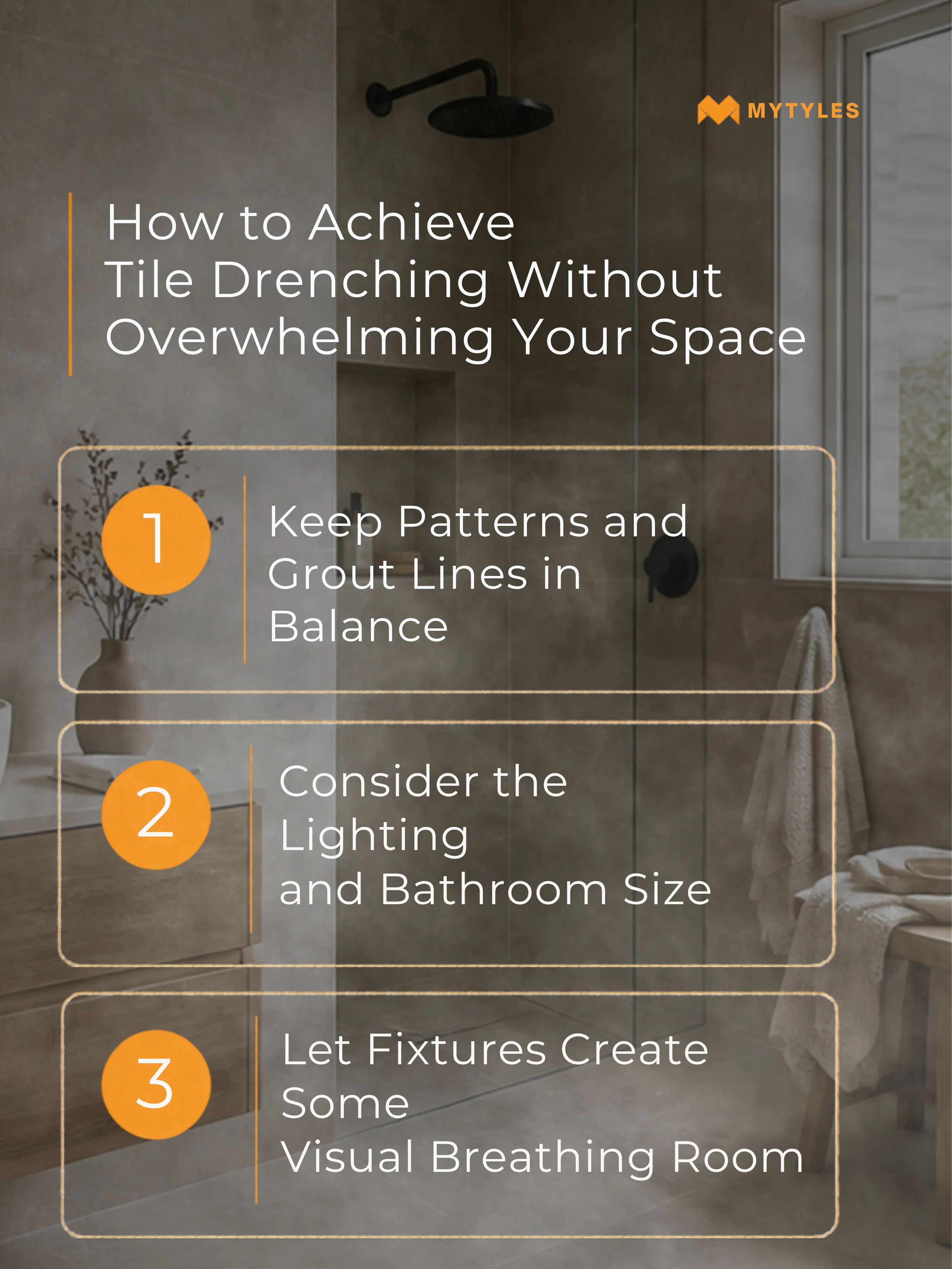
Covering several bathroom surfaces with tiles might sound like too much, especially when the room is small. But tile drenching isn't necessarily about filling every corner with bold patterns. Even a bathroom with tiles extending from floor to ceiling can have a fairly simple look.
Keep Patterns and Grout Lines in Balance
Think of a bathroom covered in patterned tiles, with dark grout outlining every tile. The grout itself becomes quite noticeable, and the repeated patterns can make the room look busier than intended.
For a seamless bathroom tile design, try a simpler pattern with grout that closely matches the tile colour. The joints won't disappear, but they won't stand out as much against the tiles either.
Consider the Lighting and Bathroom Size
A dark green tile might look quite different under bright showroom lights compared with the lighting in your bathroom. That's why it's worth looking at how much natural and artificial light the space receives.
When exploring small bathroom tile ideas, consider how much light the room receives and where it falls. Even a monochromatic bathroom can feel visually heavy if the lighting is poor or the patterns are too prominent.
Let Fixtures Create Some Visual Breathing Room
Not every element in the bathroom needs to follow the same colour or pattern. A white basin, a simple vanity, or a mirror can break up a large tiled surface. These elements give the eyes somewhere to rest without taking attention away from the overall design.
Explore the Tile Drenching Look With MyTyles
By now, you might have a few ideas about how you'd like tile drenching to look in your bathroom. Perhaps it's the veining of marble-look tiles that caught your attention, or you prefer solid colours and large-format bathroom tiles.
But deciding what you like in a picture is quite different from choosing tiles for your own bathroom. You may want to see the actual shade, get a closer look at the finish, or compare two designs before making up your mind.
That's where a visit to the MyTyles Experience Centre can be useful. You can spend some time looking at the available designs and comparing their colours and finishes. The MyTyles website is also there if you'd like to explore the collections and look through the product details before deciding what might work for your bathroom.

Can You Use Different Tiles for Tile Drenching?

Yes. Tile drenching can use different tiles, as long as their colours, patterns, or textures work together. You might pair a large wall tile with a smaller floor tile in a similar shade. What matters is keeping the design connected while choosing products suitable for each surface, especially bathroom floors.
Does Tile Drenching Require Tiles on the Ceiling?
No, the ceiling does not have to be tiled. Many bathrooms use tile drenching across the floor, walls, and shower area while leaving the ceiling painted. If you want tiles overhead, the surface, tile weight, fixing method, and installation conditions need professional assessment. It is not another wall to cover.
Which Tile Colours Work Well for Tile Drenching?
Light beige, cream, grey, and soft green can give a bathroom a quieter look, while burgundy, navy, and charcoal create a stronger colour presence. There is no required palette for tile drenching. Consider the room's natural and artificial lighting, along with the existing colours of your basin, vanity, and fittings.
Are Large Format Tiles Necessary for Tile Drenching?
Not at all. Large tiles can reduce the number of grout joints, but small square, rectangular, and handmade effect tiles can achieve a coordinated look too. The choice depends on the pattern you want and the surfaces involved. Floor tile suitability matters more than using one size throughout the bathroom.
Is Tile Drenching More Expensive Than Regular Bathroom Tiling?
It can cost more if you tile walls or areas that would otherwise be painted. The final amount depends on tile prices, surface area, preparation, labour, and the number of cuts required. Ask for an itemised estimate covering installation and waterproofing rather than judging the cost from tile prices alone.
Can Tile Drenching Be Used in a Shower Area Only?
Yes. You can carry a matching tile design across the shower walls and nearby surfaces without tiling the entire bathroom. This creates a smaller, tile drenching inspired area rather than a full room treatment. Shower floors still need suitable slip performance, proper drainage, and waterproofing, regardless of the chosen design.
Is Tile Drenching Difficult to Maintain?
Not necessarily, but cleaning needs depend on the tiles and grout you select. Smooth surfaces may be easier to wipe than tiles with deep grooves, while closely spaced joints leave more grout to maintain. Good ventilation, suitable cleaning products, and regular attention to soap residue can help with everyday upkeep.

ABOUT THE AUTHOR
Heena Dhiman
With a background in fashion design and over 5 years of writing experience, I bring a creative and detail-oriented eye to home and design content. My journey began with aesthetics, colours, and visual storytelling, which gradually led me to writing across lifestyle, finance, home improvement, and resource management. Over time, I discovered a strong interest in tiles and interiors, where my design background helps me understand how small choices can shape the feeling of a home. Through my content, I aim to make home design decisions easier, clearer, and more enjoyable for readers, helping them feel confident while creating spaces that reflect their style and everyday needs.
Latest Blogs By MyTyles