ByBiren Agrawalla
Thu , Aug 06 , 2026
Read Time: 5 Min
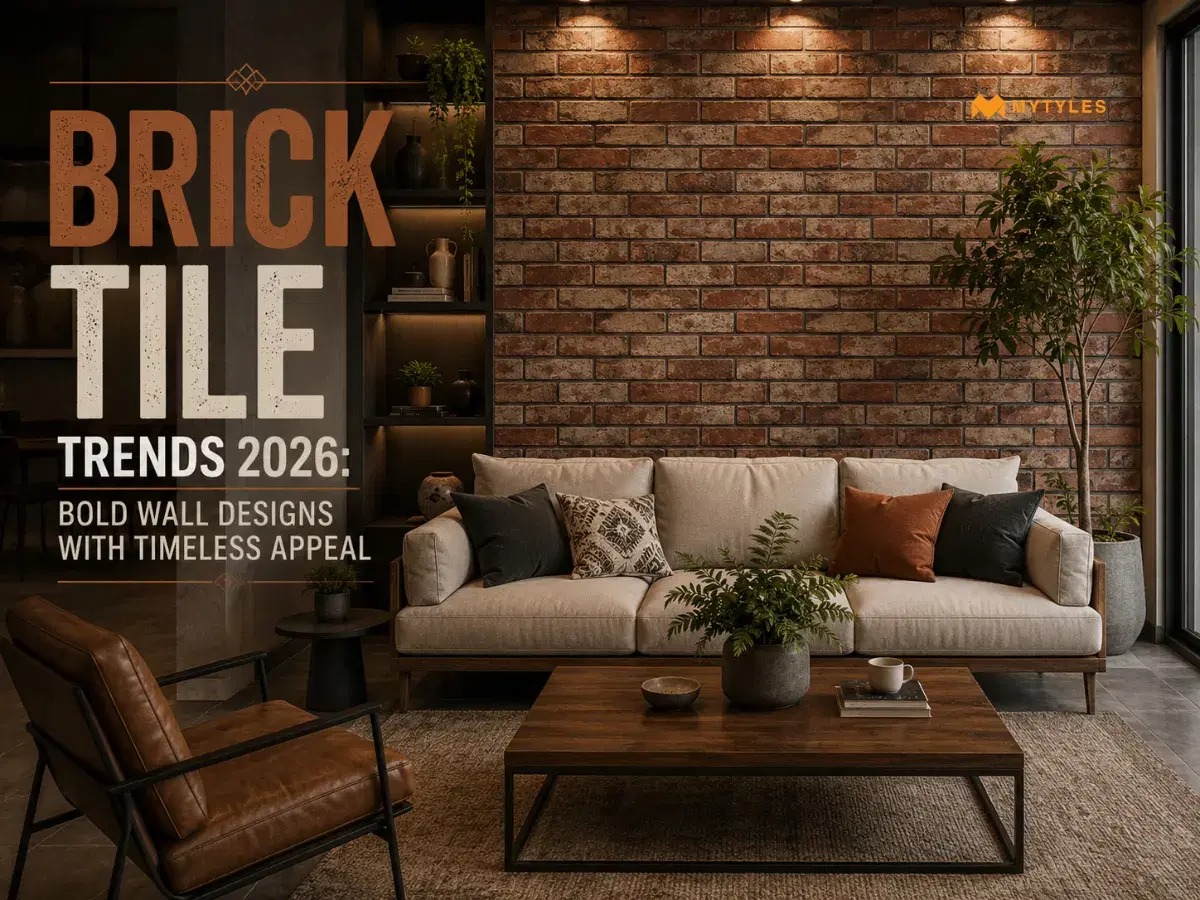
Brick tiles continue to set strong design directions in 2026 as homeowners and designers search for textured walls that carry visual depth and long-term strength. Their earthy appeal blends seamlessly with modern styling, giving every space a confident and grounded look. Growing interest in warm, tactile surfaces plays a major role this year, making brick tiles an ideal choice for living rooms, kitchens, balconies, and commercial interiors. With new finishes, shades, and patterns entering the market, 2026 welcomes a fresh era of bolder walls that still retain classic appeal.
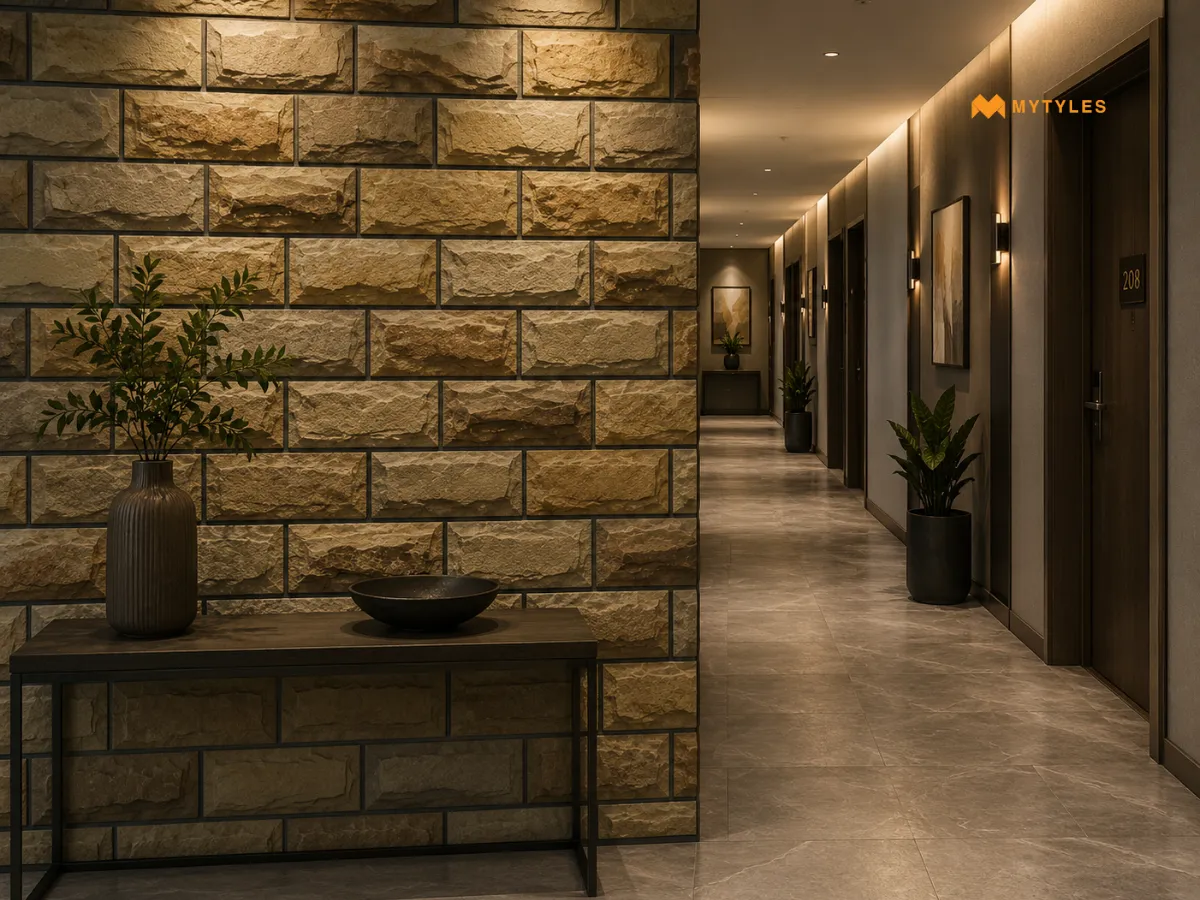
Brick tiles hold steady demand due to their balance of durability and texture, which suits various interiors. Their ability to support warm, modern, and rustic styles keeps them highly adaptable. Homes and commercial spaces benefit equally due to their strength, visual weight, and timeless nature.
Color choices in 2026 lean toward deeper reds, muted neutrals, aged browns, and bold charcoal shades. These tones help designers shape walls that feel settled, refined, and visually consistent across modern and rustic themes.
Red-toned tiles continue to stay strong because they hold warmth and depth. They work well behind TV units, open dining setups, and balcony walls that need a stable, expressive backdrop.
Grey and white brick tiles support minimal interiors. Their calm tone helps small areas breathe, making them useful for compact kitchens, entrances, or bright living rooms.
These shades support organic interiors and pair well with wooden furniture. They keep rooms relaxed and steady, making them ideal for quiet lounges and reading corners.
Charcoal tiles help create bold corners in bars, workstations, or commercial seating areas. Their darker tone pairs well with metal lights and simple, functional furniture.
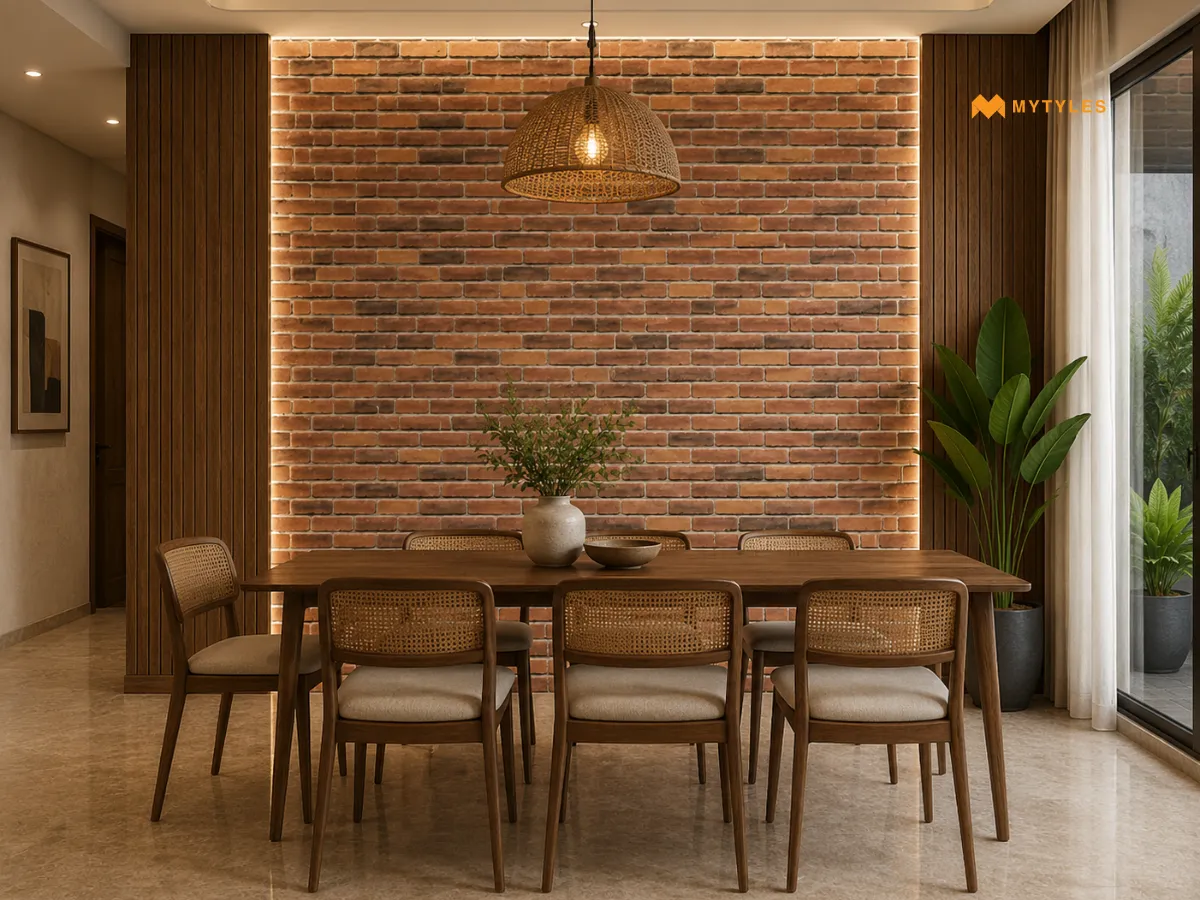
Finishes trending this year include matt, soft gloss, handmade-look textures, and tumbled edges. Each finish brings a different mood, allowing homeowners and designers to shape walls that feel balanced with their surroundings.
Matt surfaces support calm, strong compositions without shine. Their understated texture works well in living rooms and hallways where soft lighting highlights the tile pattern gently.
A slight gloss helps brighten compact kitchens and bathroom walls. It reflects available light without becoming overly shiny, making cleaning easier in high-use areas.
Handmade-look tiles feature gentle irregularities that give walls a lived-in feel. They suit relaxed living rooms, farm-style kitchens, and cafés that want steady character without heavy patterns.
These finishes support rustic interiors by softening edges and adding mild depth. They add interest to walls without creating sharp lines or strong contrast.
Patterns gaining attention this year include classic running bonds, vertical stacking, herringbone sections, and mixed-orientation designs. These layouts help walls feel balanced and structured while supporting both subtle and bold setups.
The running bond pattern stays relevant because of its simplicity and familiarity. It suits both small and large walls, creating a steady rhythm that blends well with most materials.
Vertical stacking supports modern interiors by making walls appear taller. It helps rooms with low ceilings feel more open while keeping the surface neat and organised.
Herringbone sections add gentle movement to corners without overwhelming the room. Designers use it behind shelves, mirrors, and small feature sections to add interest.
Combining horizontal, vertical, and angled placements introduces subtle variation. This approach works well in creative studios, open cafés, and large hall walls needing a quiet yet distinct visual structure.
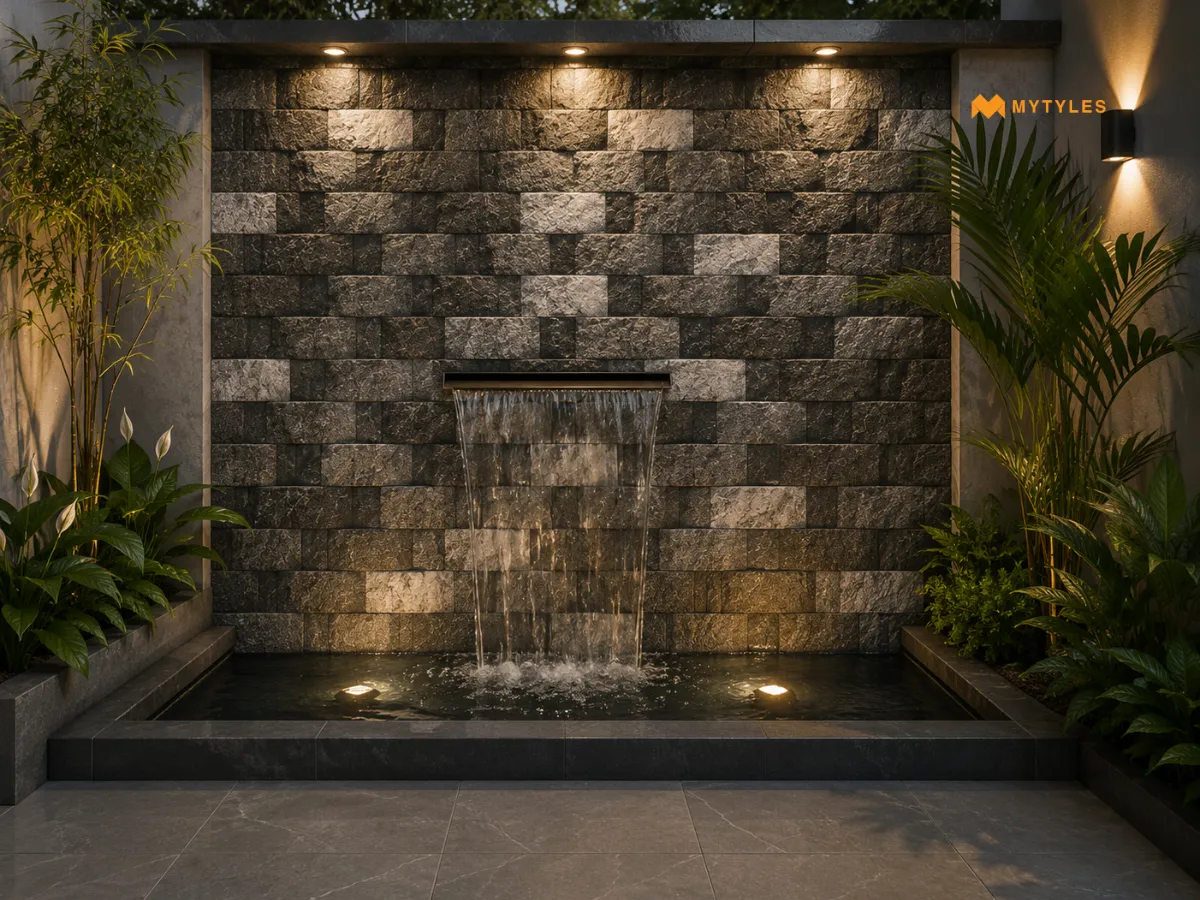
Brick tiles continue to be used across living rooms, kitchens, bathrooms, balconies, and commercial interiors. Their durability, visual weight, and consistent finish make them suitable across high-use and relaxed spaces.
Styling trends this year focus on balanced lighting, earthy materials, and clean geometry. Designers use metal, wood, and neutral furniture to support brick tiles without creating visual clutter.
Brick tile trends in 2026 highlight practical layouts, warm colors, and finishes that support both minimal and rustic interiors. These tiles continue to stay relevant because they offer structure, durability, and a consistent surface suited for high-use areas as well as relaxed corners. Their versatility makes them suitable across kitchens, balconies, commercial lounges, and reading spaces that require steady performance. The shift toward natural tones and simple patterns reflects a growing preference for calm, grounded walls. With multiple shades and formats available today, choosing tiles that match your lighting and layout becomes simpler. Browse the latest brick-look collections on MyTyles to find reliable options designed for everyday use and long-term stability.
In 2026, brick tile designs are moving beyond traditional red finishes toward charcoal, ivory, sand, terracotta, and weathered multicolor surfaces. Slim bricks, handmade textures, irregular edges, and mixed-tone layouts are especially popular. Homeowners are also using brick tiles selectively on feature walls, allowing their strong character to enhance interiors without making rooms feel heavy or outdated.
Brick tiles work well on living room feature walls, TV unit backdrops, dining walls, bedroom headboards, kitchen backsplashes, and entrance areas. Select a wall that receives good natural or artificial lighting, as shadows highlight the texture. In compact rooms, covering one focused section usually creates more impact than applying dark brick tiles across every wall.
Yes, suitable exterior-grade brick tiles can enhance façades, balcony walls, compound walls, pillars, and outdoor seating areas. Choose products with low water absorption, UV resistance, and weather durability for Indian conditions. Correct adhesive, joint filling, drainage, and surface preparation are essential, particularly in regions exposed to strong sunlight, heavy monsoon rain, pollution, or temperature changes.
Begin with one dominant brick color, then add closely related tones to create natural variation. Terracotta pairs beautifully with beige and brown, while charcoal works with grey, black, or warm wood accents. For a bolder design, combine light and dark bricks in a controlled pattern, keeping surrounding furniture, flooring, and wall colors visually simple and balanced.
Brick-look tiles can be used in kitchens and bathrooms when the material, finish, and installation suit wet or stain-prone conditions. Glazed ceramic or porcelain options are generally easier to clean than highly porous surfaces. Use them on backsplashes, vanity walls, or dry zones, and confirm waterproofing, grout protection, and maintenance requirements with your installer before installation.
Brick tiles bring warmth, texture, and architectural character that works across industrial, rustic, contemporary, and traditional interiors. Their familiar masonry appearance rarely depends on a short-lived decorative theme. By selecting a balanced color palette and simple layout, homeowners can create a feature that feels current in 2026 while remaining adaptable to future furniture and décor changes.
Check whether the tile is designed for interior or exterior use, along with its material, dimensions, thickness, water absorption, finish, cleaning needs, and color variation. View multiple pieces together before ordering because textured collections may differ naturally. Measure carefully, purchase extra tiles for cuts and repairs, and confirm that the installer has experience with brick-style layouts.
Aditi Bardhan
31 May, 2026
Aditi Bardhan

₹76.00 / Sq.Ft
₹90.00 / Sq.Ft
₹95.00 / Sq.Ft
₹95.00 / Sq.Ft
₹95.00 / Sq.Ft

₹95.00 / Sq.Ft

₹95.00 / Sq.Ft
₹95.00 / Sq.Ft

₹95.00 / Sq.Ft